
AGRICULTURE
Iri Ji Afaraukwu: When Harvest Becomes Thanksgiving As Eze Ugwueje Reaffirms Community’s Faith And Heritage

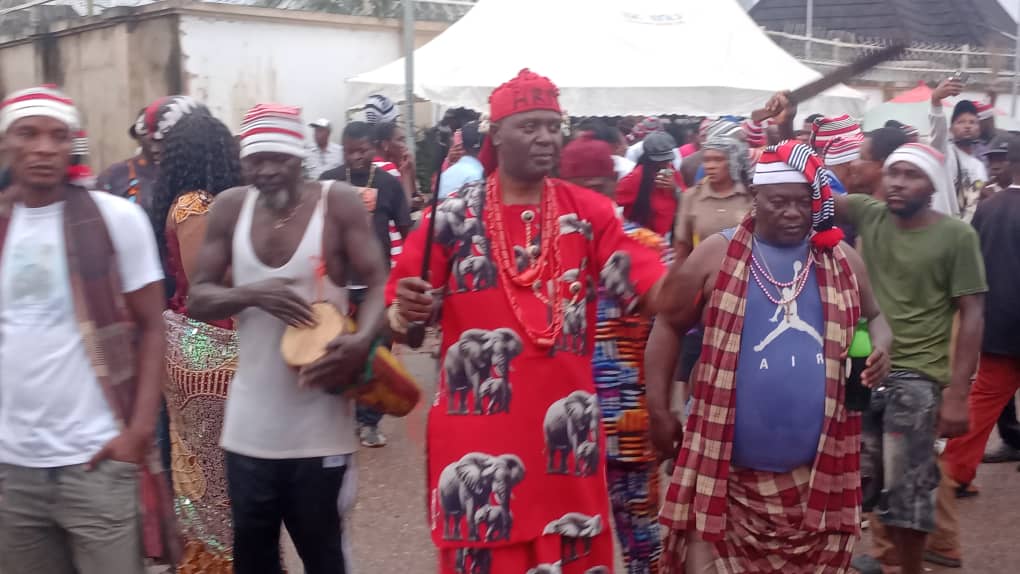
Amid the aroma of freshly harvested yam, the pageantry of traditional royalty and the warm embrace of communal fellowship, Afaraukwu Autonomous Community in Ibeku Kingdom, Umuahia North Local Government Area of Abia State, once again offered its harvest to God in thanksgiving, as the community celebrated its 2026 Iriji Festival.
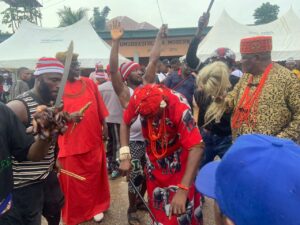
Egwu Ukwu III in Action
For the people of Afaraukwu, the annual New Yam Festival is far more than a colourful cultural gathering. It is a solemn expression of gratitude to the Almighty for the fruits of the earth, a celebration of survival and sustenance, and a spiritual invocation for another season of peace, protection and prosperity.
The Traditional Ruler of Afaraukwu Autonomous Community, HRM Eze Amaechi Kelvin Ugwueje, who spoke during the celebration on Saturday, described Iri Ji as an enduring covenant of thanksgiving between the people and God, emphasizing that the first harvested yam represents the community’s acknowledgement of divine providence.

According to the monarch, the festival reminds the people that their labour on the soil ultimately depends on God’s grace.
“The significance is knowing that there is God who provided for us. Whatever we planted, we were able to reap and feed from it. This yam is our first fruit, and we present it to God yearly to show we are grateful and submissive to Him,” he said.
Eze Ugwueje explained that the ritual of presenting the first fruits is deeply rooted in the people’s traditional values, adding that Iri Ji provides an opportunity for the community to collectively appreciate God for sustaining its people through another agricultural cycle.
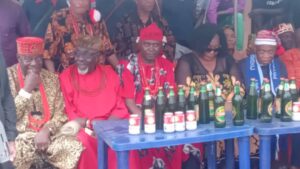


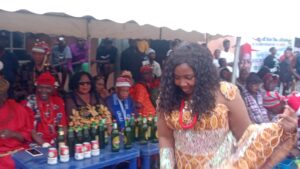
Beyond its spiritual significance, the festival also offered the monarch an opportunity to reflect on the changing fortunes of agriculture in Afaraukwu.
Although the community retains its agrarian identity, he observed that the availability of land for extensive farming has diminished considerably over the years, largely because substantial portions of the community’s ancestral land have been made available to the government for the establishment of public institutions.
The monarch, however, stressed that the people have refused to sever their connection with the soil. “We still farm to feed ourselves. Our location is now cosmopolitan, but we have not abandoned farming,” he affirmed.
He noted that despite the rapid transformation of Afaraukwu into an increasingly urban community, farming remains an important part of the people’s livelihood and cultural identity.
Eze Ugwueje also expressed appreciation to the government of Dr. Alex Otto for developmental interventions that have enhanced the quality of life in the area, particularly road infrastructure and the early provision of electricity.



He nevertheless appealed for a stronger policy of local inclusion whenever government or private-sector development projects are established within the community.
The traditional ruler urged relevant authorities and project developers to ensure that qualified indigenes of Afaraukwu are given due consideration in employment opportunities arising from projects located on their ancestral soil. He described such inclusion as a means of ensuring that development produces tangible benefits for the host community and its people.
The monarch further disclosed that the celebration of Iri Ji would continue progressively across the seven clans, popularly known as “Egwu Asaa,” in Ibeku Kingdom, following the commencement of the season with the Iwa Iji Ibeku ceremony.




He explained that the rotational celebration provides the different communities within the kingdom an opportunity to preserve their distinct cultural expressions while strengthening their collective identity as Ibeku people.
Eze Ugwueje commended the people of Afaraukwu for their peaceful disposition, hospitality and orderly conduct throughout the celebration, saying the successful event reflected the unity and maturity of the community.
The festival attracted traditional rulers, dignitaries, friends of Afaraukwu and well-wishers who joined the community in celebrating its harvest and cultural heritage.
Among those present were His Royal Kingship Eze (Amb.) Iheanyichukwu Nwokenna, Oba The Great of Ekeoba Kingdom, Ohuhu, and HRM Eze Iheanyichukwu Ezigbo of Uhabiri-Umuchime na Amanso, Ossah-Ibeku, alongside other distinguished guests.
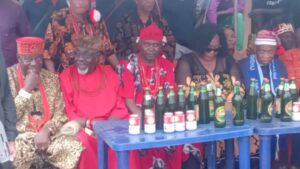

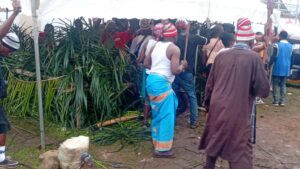
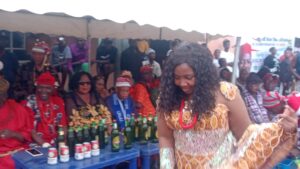
Members of the Ohuhu Community Secondary School Old Boys Association, 1981 Set, were also among the guests who graced the occasion.